
Your lease is almost up, you’re getting ready to return the car, and then you remember one small detail:
You tinted the windows.
Now you’re wondering whether the dealership is going to care — and more importantly, can you be charged for window tint when returning a leased car?
Potentially.
Aftermarket window tint may be considered a vehicle modification under the terms of some leases, and return requirements can vary depending on your leasing company, vehicle, and agreement.
That doesn’t automatically mean you’re getting a bill because your windows are tinted.
But it does mean you should figure out what’s required before you show up for your lease return.
Here’s what Massachusetts drivers should know.
Is Window Tint Considered a Modification on a Leased Car?
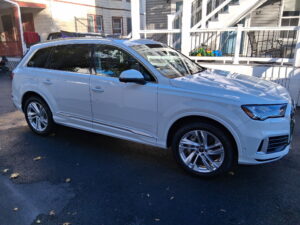
It can be.
Window tint film is an aftermarket product applied to your vehicle’s glass. Because it wasn’t necessarily part of the vehicle when it was originally leased, it may fall under your leasing company’s rules regarding alterations or modifications.
Some lease agreements may require the vehicle to be returned close to its original condition. Others may handle certain modifications differently.
The important part is not assuming.
Check your lease agreement or contact the company handling your lease to find out exactly what’s expected when the vehicle is returned.
Will a Dealership Charge You for Tinted Windows?
There’s no universal answer.
Whether you’re charged can depend on factors including:
- Your lease agreement
- The leasing company’s return standards
- Whether the tint is considered an unauthorized modification
- The condition of the tint
- Whether removal is required
- Whether the tint or its removal has caused damage
- Whether the finished windows comply with applicable requirements
Remember that the dealership where you physically return the vehicle may not necessarily be the company that determines your final lease-end charges.
If you’re unsure, check directly with the lessor or company listed in your lease-return instructions.
Should You Remove Window Tint Before Returning a Lease?
Don’t automatically remove it without checking first.
Start by reviewing your lease-return requirements.
If you’re told that aftermarket tint needs to be removed, having it taken off before your lease inspection or return can give you time to address the issue properly rather than finding out at the last minute.
Professional removal may be especially worth considering if tint has been installed on your rear window, where defroster lines can make removal more delicate.
Can Removing Window Tint Damage a Leased Car?
Improper removal potentially can — which is exactly what you don’t want immediately before returning a leased vehicle.
Old window tint can leave adhesive behind on the glass. Aging film may also become brittle, peel in pieces, or be difficult to remove cleanly.
Rear-window tint requires additional caution because the film is installed over glass containing defroster lines.
Aggressive scraping or improper removal could potentially damage components you’re responsible for returning in good condition.
If your lease requires tint removal, the goal isn’t simply getting the film off. You want the glass returned to an appropriate condition without creating another problem in the process.
What If the Window Tint Is Bubbling, Peeling, or Purple?
The condition of aftermarket tint may also be worth addressing before a lease return.
Old tint can begin to bubble, peel around the edges, become cloudy, or develop a purple appearance as it deteriorates.
Even if you’re not sure whether the film itself must be removed, visibly damaged aftermarket tint is something you may want evaluated before your vehicle is inspected.
And if the lease company requires the vehicle to be returned without aftermarket film, deteriorating tint can sometimes make removal more involved.
Don’t wait until the morning of your lease return to start pulling at bubbling tint in the driveway.
What About Factory Tint on a Leased Vehicle?
Factory-tinted or privacy glass is different from aftermarket window tint film.
Many SUVs, trucks, and crossovers come from the manufacturer with darker rear glass. In those cases, the darker appearance may come from pigment within the glass itself rather than removable film applied afterward.
That’s part of the vehicle rather than something you added during your lease.
If you’re not sure whether your windows have factory privacy glass, aftermarket film, or both, a tint professional can help you identify what’s on the vehicle.
What If the Car Was Already Tinted When You Leased It?
This is another situation where documentation matters.
If the vehicle already had tint when you took possession of it, review your original paperwork, photos, inspection information, or other records showing the vehicle’s condition at the beginning of the lease.
Don’t assume you’ll need to remove something that was already present.
If there’s any uncertainty about the vehicle’s original condition, contact the leasing company before making changes.
What If Your Tint Is Legal in Massachusetts?
Legal compliance and lease-return requirements are two separate issues.
Even if your aftermarket tint complies with applicable Massachusetts requirements, your lease agreement may still contain rules about vehicle modifications.
Likewise, a leasing company allowing an aftermarket modification doesn’t necessarily mean that modification complies with state requirements.
You need to consider both.
What Should You Do Before Your Lease-End Inspection?
Give yourself some time.
Ideally, don’t wait until the day before the vehicle is due back to figure out whether your tint needs to be removed.
Review your lease-end instructions and inspect the vehicle’s windows for aftermarket film, bubbling, peeling, scratches, adhesive issues, or other damage.
If you’re unsure what kind of tint is installed, have it evaluated.
And if removal is required, schedule it early enough that you’re not rushing the process immediately before the inspection.
Can You Tint Your Next Leased Car?
Possibly — but this time, check first.
Before modifying another leased vehicle, review the agreement or ask the leasing company how aftermarket window tint is handled.
You can also ask whether the film would need to be removed before the vehicle is returned.
That way, you know what you’re signing up for before installation rather than three years later when you’re trying to remember what the lease agreement said.
Need Window Tint Removed Before Returning Your Lease?
If your lease-return requirements say your aftermarket window tint needs to come off, don’t risk creating a bigger problem by aggressively peeling or scraping it yourself.
Massachusetts Mobile Detail can help Massachusetts drivers evaluate existing automotive window tint and determine the best next step before a vehicle is returned.
And if you’re replacing your leased vehicle with one you own — or you’ve confirmed that tint is permitted on your next vehicle — professional window tinting can give you the appearance and performance you’re looking for from the start.
Have questions about your existing window tint before a lease return? Contact Massachusetts Mobile Detail to learn more about professional window tinting and tint-related services.