
Ceramic coating is one of the best investments you can make in your vehicle’s appearance and protection. But there’s a misconception that follows ceramic coating around — that once it’s applied, the car essentially takes care of itself. That it’s maintenance-free. That you can stop thinking about washing and protection entirely.
That’s not quite right. Ceramic coating dramatically reduces the effort required to keep a vehicle looking its best, but it doesn’t eliminate maintenance. And how you maintain a ceramic coated vehicle directly affects how long the coating performs at its best.
The good news is that ceramic coating maintenance is genuinely simpler than caring for uncoated paint. You just need to understand what the coating needs — and what it doesn’t tolerate.
Understanding What You’re Maintaining
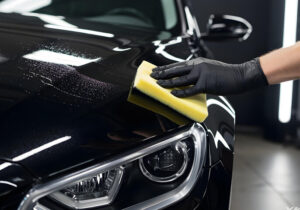
Before getting into the specifics, it helps to understand what ceramic coating actually is and why maintenance matters.
A ceramic coating bonds chemically to your vehicle’s clear coat and forms a semi-permanent protective layer. That layer is harder than clear coat, hydrophobic, UV resistant, and chemically resistant. But it is not indestructible, and it does degrade over time — the rate of that degradation is significantly influenced by how the vehicle is maintained.
Think of the coating as a sacrificial layer. It absorbs UV exposure, chemical attack from contaminants, and minor abrasion so your paint doesn’t have to. Maintenance keeps that sacrificial layer performing at its designed capability for as long as possible. Neglect or improper care accelerates its degradation — and when the coating degrades, your paint is exposed.
The First 30 Days: The Critical Curing Period
The period immediately following ceramic coating application is the most critical for long-term performance. The coating cures progressively after application, reaching full hardness over several weeks. How you treat the vehicle during this window affects the final result.
Keep it dry for the first 24 to 48 hours Water contact during the initial cure period can disrupt the bonding process and cause water spotting in the coating surface. After a professional application, the vehicle should be kept completely dry for at least 24 hours — ideally 48. This means no rain exposure, no washing, and no driving through wet conditions if avoidable.
Avoid washing for the first two weeks Even after the initial dry period, the coating continues curing. Washing too soon — particularly with any kind of agitation — can interfere with the cure. Most professional coatings recommend waiting a full two weeks before the first wash.
Keep it out of direct sun if possible Excessive heat during the curing period can affect how the coating sets. Garage storage during the first few weeks is ideal where possible.
Avoid parking under trees Bird droppings, tree sap, and pollen during the cure period can bond more aggressively to a coating that hasn’t fully hardened. These should be removed immediately if contact occurs — gently, with a damp microfiber, without scrubbing.
The Right Way to Wash a Ceramic Coated Vehicle
Washing is where most ceramic coating damage occurs — not from road use, but from improper washing technique. The coating’s hydrophobic properties make washing easier, but the method still matters.
The two bucket method The two bucket wash method is the standard for any vehicle you care about, coated or not. One bucket contains your shampoo solution, the other contains clean rinse water. After each panel, the wash mitt is rinsed in the clean water bucket before being reloaded with shampoo. This prevents dirt picked up from the paint from being dragged back across the surface, which is the primary cause of wash-induced swirl marks.
Use a pH neutral car shampoo This is non-negotiable for ceramic coated vehicles. Alkaline or acidic shampoos — including most dish soaps and many generic car wash products — degrade ceramic coating over time. A pH neutral shampoo cleans effectively without attacking the coating chemistry. It costs marginally more than generic product and makes a significant difference in coating longevity.
Use a quality microfiber wash mitt Sponges and low-quality wash tools trap dirt against the paint surface and drag it across the clear coat. A high-quality microfiber wash mitt lifts dirt away from the surface, reducing the risk of inflicting fine scratches during washing.
Wash in the shade Washing in direct sunlight causes shampoo and water to dry on the surface before you can rinse it off, leaving water spots and shampoo residue that can affect the coating. Always wash in shade or on an overcast day where possible.
Rinse thoroughly before contact washing A thorough pre-rinse removes the bulk of loose dirt before any mitt touches the paint. This reduces the abrasive load during the contact wash phase significantly.
Dry with a clean microfiber drying towel Air drying leaves water spots — particularly in Massachusetts where tap water mineral content can be significant. A large, clean microfiber drying towel or a dedicated car dryer removes water before it can dry and leave mineral deposits on the coating surface.
What to Avoid
Knowing what damages ceramic coating is as important as knowing how to maintain it properly.
Automatic brush car washes This is the single most damaging thing you can do to a ceramic coated vehicle. The brushes in automatic car washes inflict heavy swirl marks and scratches regardless of what the marketing says about their softness. They also use harsh detergents that actively degrade ceramic coating. A touchless automatic wash is a better option in a pinch, but hand washing is always preferable.
Harsh chemical cleaners Degreasers, all-purpose cleaners, and any product with a high or low pH should not be used on coated paint. These products strip the coating’s hydrophobic properties and accelerate degradation. Always check that any product used on the vehicle exterior is pH neutral and safe for ceramic coated surfaces.
Abrasive products Polishing compounds, rubbing compounds, and abrasive pads will remove ceramic coating. If paint correction is needed on a coated vehicle — because the coating has degraded or because damage has occurred — the coating must be removed and reapplied after correction. This is one reason why getting the paint right before the initial application matters so much.
Leaving contaminants on the surface The coating’s chemical resistance buys time when contaminants land on the surface — but it doesn’t make the surface immune. Bird droppings are particularly aggressive. The uric acid in bird droppings will etch through a ceramic coating given enough time, especially in warm weather where the etching process accelerates. Remove bird droppings, tree sap, and insect contamination as soon as possible after contact. A quick spray with a pH neutral detail spray and a clean microfiber is all it takes.
Waxing over ceramic coating Traditional carnauba wax applied over a ceramic coating doesn’t add meaningful protection and can interfere with the coating’s hydrophobic properties. If you want to add a layer of protection or refresh the coating’s water beading behavior, use a dedicated ceramic coating maintenance spray — not wax.
Ceramic Coating Maintenance Sprays
Ceramic coating maintenance sprays — sometimes called coating boosters or SiO₂ sprays — are a category of product designed specifically for use on ceramic coated vehicles. They contain silicon dioxide particles that bond to the existing coating surface and refresh its hydrophobic properties.
Used periodically — typically every one to three months — a ceramic maintenance spray keeps the coating performing at close to its original capability between professional decontamination services. Application is simple: spray onto a clean, wet or dry surface panel by panel and wipe with a clean microfiber. The process takes minutes and noticeably refreshes the water beading behavior of the coating.
A maintenance spray is not a substitute for the underlying ceramic coating — it doesn’t add hardness or long-term chemical resistance the way the base coating does. But it is a simple, effective way to keep the surface performing well between more involved maintenance steps.
Annual Decontamination
Even with perfect washing technique and regular maintenance spray use, contaminants accumulate on a ceramic coated surface over time. Iron particles from brake dust and rail dust bond to the coating surface and embed themselves. Road tar, industrial fallout, and other environmental contamination builds up in ways that regular washing doesn’t fully address.
An annual professional decontamination service removes this accumulated contamination and gives the coating a clean surface to perform from. The process typically involves an iron decontamination spray — which chemically reacts with and releases iron particles — followed by a clay bar or clay mitt treatment to remove remaining bonded surface contamination.
After decontamination, a fresh application of ceramic maintenance spray restores the surface to peak performance. Many vehicle owners schedule this as part of an annual spring detail — a natural reset after a Massachusetts winter of road salt and harsh conditions.
Knowing When the Coating Needs Replacing
Ceramic coatings don’t fail suddenly — they degrade gradually. The clearest sign that a coating is approaching the end of its effective life is a change in water behavior. A coating performing well causes water to bead tightly and sheet off the surface with minimal contact. As the coating degrades, water beading becomes less pronounced — droplets spread and flatten rather than beading tightly. Eventually water sheeting behavior disappears and the surface behaves more like uncoated paint.
Other signs include a reduction in the self-cleaning effect — the surface picks up and holds dirt more readily than it did when the coating was fresh — and a loss of the deep gloss enhancement the coating originally provided.
When these signs appear, it’s time to assess whether a maintenance spray can refresh performance or whether a professional recoat is needed. A professional detailer can evaluate the coating’s condition and recommend the right approach.
A Simple Maintenance Schedule
Putting it all together, ceramic coating maintenance follows a straightforward rhythm:
Every wash — pH neutral shampoo, two bucket method, microfiber mitt, dry thoroughly with a clean microfiber towel.
Every one to three months — apply a ceramic coating maintenance spray after washing to refresh hydrophobic properties.
Annually — professional decontamination service to remove bonded surface contamination and reset the coating’s performance baseline. Ideal timing in Massachusetts is spring, after winter road salt exposure.
Every two to five years — professional assessment of coating condition and recoat when degradation warrants it.
Protecting Your Investment
A ceramic coating applied correctly and maintained properly is a genuinely long-term investment in your vehicle’s appearance and protection. The maintenance required is minimal compared to the effort of keeping uncoated paint looking its best — but that maintenance does need to happen.
At Massachusetts Mobile Detailing, we apply ceramic coatings throughout Massachusetts and stand behind the work with honest guidance on how to keep the coating performing well after we leave. If you have questions about maintaining an existing coating or want to discuss a fresh application, we’re easy to reach and happy to help.