
Old window tint can be annoying enough on its own. Maybe it’s bubbling, peeling, turning purple, or simply darker than you want.
But when that old film is covering your rear window, removing it comes with another concern:
Can window tint be removed without damaging the rear defroster?
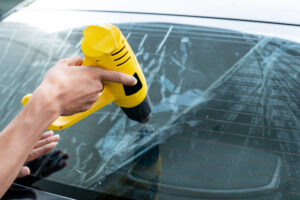
Yes, rear window tint can be removed without damaging the defroster, but the removal process requires care. The thin defroster lines running across your rear glass can potentially be damaged if old tint or adhesive is removed too aggressively.
That’s one reason rear-window tint removal isn’t always the best place to experiment with a DIY method.
Here’s what Massachusetts drivers should know before removing old tint from rear glass.
What Are the Lines on Your Rear Window?
Those thin horizontal lines running across your rear windshield aren’t part of the window tint.
They’re part of your vehicle’s rear defroster system.
When activated, the conductive grid heats the glass to help clear condensation, frost, and ice.
For Massachusetts drivers, that rear defroster isn’t exactly an optional feature. During cold mornings and winter weather, having a properly functioning rear window defroster can be essential for visibility.
That’s why extra care should be taken when removing anything attached to the interior surface of the rear glass.
Is Window Tint Applied Over the Defroster Lines?
Generally, yes.
Automotive window tint film is installed on the interior surface of the rear glass, meaning the film sits over the area containing the defroster grid.
That isn’t normally a problem while the tint is installed.
The bigger concern comes years later when the film needs to be removed.
Depending on the condition of the tint, adhesive, glass, and defroster grid, aggressively pulling or scraping the film could potentially damage those delicate lines.
Can Removing Window Tint Damage the Rear Defroster?
It can if the removal isn’t done carefully.
Old tint doesn’t always peel away cleanly in one perfect sheet. Aging film may become brittle, separate into pieces, or leave adhesive behind on the glass.
Trying to force stubborn film off the rear window can increase the risk of damaging the defroster grid.
Scraping is another concern.
A tool that might be used carefully on plain automotive glass may not be appropriate around defroster lines.
If maintaining your rear defroster is important — and in Massachusetts, it probably is — the removal method matters.
Why Is Rear Window Tint Harder to Remove?
Rear glass can present several challenges that aren’t always present on side windows.
First, there are the defroster lines themselves.
Rear windows can also have a large curved surface, limited working space, and years of adhesive holding old film against the glass.
If the tint is already severely deteriorated, it may not cooperate during removal.
Purple, bubbling, peeling, or brittle tint can sometimes require more patience than newer film.
The goal isn’t simply to get the film off as quickly as possible. It’s to remove the tint and remaining adhesive while protecting the components on the glass.
Should You Use a Razor Blade on Rear Window Tint?
Using sharp scraping tools around rear defroster lines can be risky.
A razor may damage the conductive grid if it catches or cuts across one of the lines.
Even if you’ve seen DIY tint-removal videos using blades on other windows, that doesn’t mean the same technique should automatically be used on rear glass.
Your vehicle’s specific glass and defroster system should be considered before choosing a removal method.
When in doubt, this is one job that’s worth leaving to someone experienced with automotive tint removal.
What About the Adhesive Left Behind?
Getting the film off is only part of tint removal.
Old adhesive can remain on the glass after the film has been removed, leaving the rear window sticky, cloudy, or streaked.
That adhesive also needs to be removed carefully.
Aggressively scraping adhesive away can put the defroster grid at risk, while leaving residue behind can interfere with the appearance and preparation of the glass.
This becomes particularly important if you’re planning to install new window tint afterward.
The glass needs to be properly prepared before new film goes on.
Can You Remove Bubbling Tint From a Rear Window?
Yes, but deteriorating tint may be more difficult to work with.
If the film is bubbling because the adhesive or tint has begun to fail, it may not peel away as smoothly as film that’s still in good condition.
And if your tint has been on the vehicle for many years, age can make removal more challenging.
If you’re not sure why the film is failing, read our guide on why window tint bubbles and when it’s time to replace it.
The worse the condition of the old film, the more important patience and proper removal techniques become.
What If the Rear Tint Has Turned Purple?
Purple discoloration is another common sign of aging window film.
Certain older or lower-quality films can change color as components within the tint deteriorate after years of sun and UV exposure.
Once the film itself has discolored, cleaning the window won’t restore its original appearance.
Removing and replacing the old tint is typically the solution.
If you’re dealing with discoloration, our guide to why window tint turns purple explains what’s happening and when replacement may make sense.
How Can You Tell If a Defroster Line Is Already Damaged?
Sometimes a rear defroster problem existed before the tint was ever removed.
If only certain sections of your rear window clear when the defroster is activated, there may already be an interruption somewhere in the grid.
You might notice one horizontal strip remaining fogged or frosted while the surrounding areas clear.
If you’re having old rear-window tint professionally removed, mention any existing defroster problems beforehand.
That helps separate pre-existing issues from anything related to the removal process.
Can New Window Tint Be Installed After the Old Tint Is Removed?
Yes, assuming the glass is in suitable condition for a new installation.
Old film and adhesive should be properly removed first, and the glass needs to be thoroughly prepared before new tint is applied.
Installing new film directly over deteriorating old tint isn’t a good way to avoid the removal process.
Bubbles, failing adhesive, discoloration, and other problems with the old film can remain underneath the new layer.
If you’ve considered simply covering your old tint, check out our guide on whether you can tint over existing window tint first.
Starting with properly prepared glass generally provides a much better foundation for a new installation.
Is Professional Rear Window Tint Removal Worth It?
If you’re worried about your rear defroster, professional removal can be worthwhile.
Rear glass is one area where rushing the job or using the wrong tool can potentially create a much more expensive problem than the old tint itself.
A professional can evaluate the condition of the film, remove the tint and adhesive carefully, and prepare the glass if you’re planning to have new film installed.
For Massachusetts drivers who rely on their rear defrosters throughout the winter, protecting that grid is especially important.
Professional Window Tint Removal and Replacement in Massachusetts
If your old rear-window tint is bubbling, peeling, faded, or turning purple, you don’t have to risk damaging your defroster trying to remove it yourself.
Massachusetts mobile Detailing can help with professional window tint removal and replacement, giving your vehicle a cleaner look while taking proper care around the rear glass and defroster system.
Once the old film is removed, we can also help you explore new window tint options based on the appearance and performance you’re looking for.
Prefer a more convenient tinting option? Massachusetts Mobile Detail offers professional mobile window tinting for Massachusetts drivers at qualifying locations.
Ready to replace old or damaged window tint? Contact Massachusetts Car Detailing today to learn more about tint removal and professional window tinting.