
Maybe your current window tint isn’t dark enough. Maybe it’s starting to show its age. Or maybe you recently bought a vehicle that already has tinted windows and you’re thinking about adding another layer.
Whatever the reason, you may be wondering: Can you tint over existing window tint?
Technically, window tint film can sometimes be applied over existing film. But that doesn’t necessarily mean it’s the best way to tint your vehicle.
In many situations, removing the old film and starting with clean glass can provide a better-looking and longer-lasting result. Here’s what Massachusetts drivers should know before layering new tint over existing window tint.
Can You Put New Window Tint Over Old Tint?
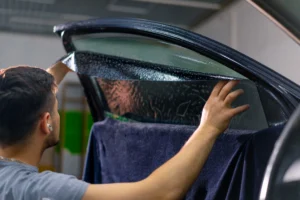
In some circumstances, new window tint can physically be installed over existing film.
However, the condition of the existing tint matters.
New film needs a smooth, clean surface to properly adhere. If the tint that’s already on your vehicle is bubbling, peeling, scratched, discolored, or beginning to separate from the glass, putting another layer over it won’t correct those problems.
Instead, those imperfections may still be visible underneath the new film and could affect the finished result.
That’s why removing deteriorating tint before installing new film is often the better approach.
What Happens If You Tint Over Bubbling or Peeling Tint?
Think of the existing tint as the foundation for the new layer.
If that foundation is already failing, adding another layer doesn’t fix what’s happening underneath.
Bubbles, peeling edges, deteriorating adhesive, and damaged film can all interfere with a new installation. You may end up with tint that looks uneven or begins experiencing problems sooner than expected.
If your existing film is already showing signs of deterioration, check out our guide on why window tint bubbles and when it’s time to replace it before deciding what to do next.
In many cases, removing the failing film and starting fresh will produce a much cleaner result.
Will Adding Another Layer of Tint Make My Windows Darker?
Yes. Adding window tint over existing tint can reduce the amount of visible light passing through the glass.
However, this isn’t as simple as choosing another tint percentage and adding the two numbers together.
The vehicle’s glass, existing film, and new film all affect the final amount of light that passes through the window.
That matters for both visibility and compliance with Massachusetts window tint requirements.
If your goal is simply to make existing tint darker, it’s better to discuss the desired result with a professional installer rather than assuming that layering another film will produce the exact shade you want.
What About Factory-Tinted Windows?
Factory-tinted or privacy glass is different from aftermarket window tint film.
On many vehicles, particularly SUVs and trucks, some rear windows may appear dark because the glass itself was manufactured with added pigment.
Because that tint is part of the glass rather than a removable film applied to its surface, it needs to be considered differently when choosing aftermarket window tint.
A professional installer can evaluate the existing glass and help determine what film is appropriate for the vehicle.
Can Layering Window Tint Affect Visibility?
It can.
The darker the finished window becomes, the less visible light passes through it. That can affect how easily you can see through the glass, particularly at night or in poor weather.
Massachusetts drivers already deal with plenty of dark winter commutes, rain, snow, and reduced visibility throughout the year. Appearance isn’t the only factor worth considering when selecting window tint.
Your tint should provide the look and benefits you want without unnecessarily compromising your ability to see clearly while driving.
Is Layered Window Tint Legal in Massachusetts?
Massachusetts regulates vehicle window tint based on factors such as how much light can pass through certain windows.
Because adding film over existing tint changes the overall amount of light transmitted through the glass, layering tint could potentially make a window darker than permitted.
Window tint regulations can also vary depending on the vehicle, window, and applicable exemptions.
Before adding or replacing tint, it’s important to make sure the finished installation complies with current Massachusetts requirements rather than focusing only on the percentage listed on the new film.
Should Old Window Tint Be Removed First?
If your existing tint is damaged or deteriorating, removing it first is generally the better option.
Once the old film is removed, any remaining adhesive can be cleaned from the glass and the surface can be properly prepared for the new installation.
Starting with clean glass gives the installer a better foundation and eliminates problems caused by aging film underneath.
It also gives you an opportunity to choose the tint that makes the most sense for your vehicle now rather than trying to build on an older installation.
Can You Remove Window Tint Yourself?
You can find plenty of DIY window tint removal methods online, but removal can be more involved than simply pulling the film off.
Older adhesive may remain stuck to the glass, and removing it improperly can make preparing the window for new tint more difficult.
Extra care may also be needed around components such as rear-window defroster lines.
If you’re planning to have the vehicle professionally re-tinted anyway, having the old film professionally removed can make the process easier and help ensure the glass is properly prepared.
Replace Your Existing Window Tint in Massachusetts
If you’re considering adding another layer because your current tint is too light, damaged, bubbling, or simply isn’t giving you the look you want anymore, you don’t necessarily have to work around the old film.
Starting fresh may give you a cleaner installation and allow you to choose window tint that’s better suited to your vehicle and preferences.
Massachusetts Mobile Detailing provides professional window tinting services for drivers looking to upgrade or replace their existing tint. We can evaluate what’s currently on your vehicle and help determine the best approach for your new installation.
Prefer the convenience of having your tint installation come to you? Massachusetts Mobile Detail offers mobile window tinting for Massachusetts drivers at qualifying locations.
Ready to upgrade your window tint? Contact Massachusetts Car Detailing today to learn more about professional window tinting and tint replacement.