
You just had your windows tinted, but they look a little hazy. Maybe you can see a few small moisture pockets underneath the film. Naturally, your first thought is probably: Is this normal, and how long is this going to take to go away?
In many cases, what you’re seeing is simply part of the window tint curing process.
Window tint doesn’t instantly dry the moment the installation is finished. The film and adhesive need time to fully set, and the amount of time that takes can depend on temperature, humidity, the type of film, and other conditions.
For Massachusetts drivers in particular, the time of year can make a noticeable difference.
Here’s what to expect while your new window tint cures.
What Does It Mean for Window Tint to Cure?
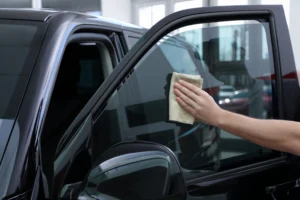
During a professional window tint installation, a solution is used to position the film and help it adhere smoothly to the inside surface of the glass.
Although much of that solution is removed during installation, some moisture may remain between the film and glass afterward.
Curing is the process of that remaining moisture evaporating and the film’s adhesive fully bonding to the window.
That’s why your tint may not look exactly the same immediately after installation as it will once it has completely cured.
How Long Does Window Tint Take to Cure?
There isn’t one exact window tint curing time that applies to every vehicle.
Generally, you should expect the process to take anywhere from several days to potentially a few weeks depending on the film and environmental conditions.
Warmer, drier weather can help the curing process move more quickly. Cold or damp weather can slow it down.
Your installer should give you aftercare instructions based on the specific film used and the conditions at the time of your appointment.
If you’re told to wait a certain amount of time before rolling down your windows or cleaning the inside of the glass, follow those instructions even if the tint appears dry.
Does Window Tint Take Longer to Cure in the Winter?
It can — and that’s especially relevant here in Massachusetts.
Cold temperatures can slow the evaporation of moisture remaining beneath the tint film.
If you have your vehicle tinted during a Massachusetts winter, you may notice that the haziness or moisture pockets stick around longer than they would during warmer months.
That doesn’t necessarily mean there’s anything wrong with the installation.
The film may simply need additional time to cure.
What About Window Tinting During a Massachusetts Summer?
Warmer weather generally creates more favorable conditions for faster curing.
Higher temperatures can help moisture evaporate more quickly, meaning tint installed during warmer Massachusetts months may settle faster than tint installed during the winter.
However, temperature isn’t the only factor. Humidity, where the vehicle is parked, the type of tint film, and other environmental conditions can also affect the process.
That’s why it’s better to think of curing time as a range rather than an exact countdown.
Is It Normal for New Window Tint to Look Hazy?
Yes, some temporary haziness can be normal immediately after installation.
As moisture evaporates from beneath the film, the tint should gradually become clearer.
You may also notice small moisture pockets that resemble tiny bubbles.
The important thing is not to press, pop, or try to smooth them out yourself.
Give the tint time to cure naturally.
If significant bubbling remains after the expected curing period or bubbles begin appearing much later, that could indicate a different issue with the film or adhesive.
How Can You Tell When Window Tint Is Fully Cured?
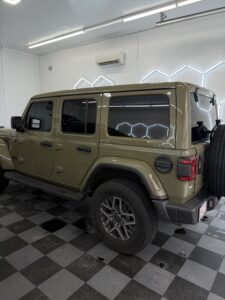
One of the easiest signs is simply how the film looks.
As the tint cures, temporary haziness and moisture pockets should disappear, leaving the film looking smooth and clear.
However, don’t rely only on appearance when deciding whether it’s safe to roll down your windows or clean the tint.
Your film can look dry before the adhesive has completely set.
Follow the timeframe provided by your installer before operating the windows normally.
Can You Drive While Window Tint Is Curing?
Yes. Your vehicle doesn’t need to sit unused while the window tint cures.
You can generally drive normally after the installation.
The biggest restriction involves the newly tinted windows themselves.
You’ll typically need to keep the windows rolled up for a period of time so the film isn’t disturbed while the adhesive is setting.
If you’re wondering exactly when you can use them again, read our guide on when you can roll your windows down after tinting.
Does Parking in the Sun Help Window Tint Cure Faster?
Warmth can help moisture evaporate, so warmer conditions may help the curing process.
However, you don’t need to spend your day chasing sunny parking spots around Massachusetts to make your tint cure correctly.
The best approach is simply to follow the aftercare instructions from your installer and allow the film enough time to set naturally.
Weather and temperature are going to vary, and a quality installation is designed with that curing period in mind.
When Should You Be Concerned About Bubbles?
Timing matters.
Small moisture pockets shortly after installation may simply be part of the curing process.
Bubbles that don’t improve after the tint should have cured — or bubbling that develops months or years later — can be a sign of a different problem.
Older window tint may bubble as its adhesive deteriorates. You may also notice peeling edges, discoloration, or cloudiness.
If you’re dealing with older tint rather than a fresh installation, read our guide on why window tint bubbles and when it may need to be replaced.
What Should You Avoid While Window Tint Cures?
While your tint is curing, the goal is to disturb the film as little as possible.
Avoid rolling down the windows until your installer says it’s safe. You should also avoid aggressively cleaning the inside of the glass, picking at the film’s edges, or trying to remove moisture pockets yourself.
If something doesn’t look right, contact your installer rather than attempting a DIY fix.
A little patience during the curing period can help protect the finished installation.
Mobile Window Tinting in Massachusetts
Massachusetts weather may be unpredictable, but getting your windows professionally tinted doesn’t have to disrupt your schedule.
Massachusetts Mobile Detail brings professional mobile window tinting directly to your home or another suitable location, allowing you to have your vehicle tinted without spending part of your day traveling to and waiting at a shop.
We’ll also walk you through what to expect during the curing process and how to properly care for your new tint after installation.
Ready to schedule mobile window tinting in Massachusetts? Contact Massachusetts Mobile Detail today to get started.