
If you’ve been thinking about tinting your car windows but Massachusetts winter has already arrived, you might assume you need to wait until spring.
The good news? You can get window tint in the winter.
Cold weather doesn’t automatically prevent professional window tint installation. However, temperature, weather conditions, installation location, and curing time all become more important when you’re tinting a vehicle during the colder months.
And if you’re considering mobile window tinting at your home, having an appropriate space for the installation can make an especially big difference.
Here’s what Massachusetts drivers should know about getting window tint in the winter.
Can Window Tint Be Installed in Cold Weather?
Yes, window tint can be professionally installed during cold weather.
The bigger question is whether the installation environment is suitable.
Window tint film needs to be applied to properly prepared glass in conditions that allow the installer to work cleanly and effectively.
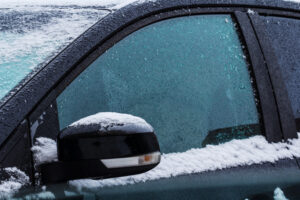
Extremely cold temperatures, snow, wind, road salt, moisture, and debris can make an exposed outdoor installation less than ideal.
That’s why professional tinting during a Massachusetts winter may require a protected or temperature-appropriate space rather than simply installing the film outside in your driveway.
Can Mobile Window Tinting Be Done at Home During the Winter?
It can, depending on your setup.
For at-home mobile window tinting during the winter, an enclosed garage can provide a much better installation environment than an exposed driveway.
A garage helps protect the vehicle and film from wind, snow, precipitation, road debris, and other contaminants during the installation process.
The exact requirements can depend on the temperature, weather, property, and type of installation.
If you’re considering a winter mobile tint appointment, let your installer know what kind of space you have available when scheduling.
For more information about mobile installation requirements, check out our guide to having window tint installed at your home.
Does Window Tint Take Longer to Cure in the Winter?
It can.
Window tint doesn’t instantly finish curing as soon as the installer completes the job.
Moisture used during installation needs time to evaporate, while the adhesive continues bonding to the glass.
Cold temperatures can slow that process.
As a result, window tint installed during a Massachusetts winter may take longer to fully cure than tint installed during warm, dry summer weather.
That doesn’t necessarily mean something is wrong with your tint. It may simply need more time.
How Long Does Winter Window Tint Take to Cure?
There isn’t one exact curing time that applies to every winter tint installation.
The temperature, humidity, film, vehicle, and environment can all affect how quickly the tint cures.
Your installer should give you specific aftercare instructions and tell you when it’s safe to begin using and cleaning your windows normally.
If you’d like a deeper explanation of what happens during this process, read our complete guide to window tint curing time for Massachusetts drivers.
Is It Normal for New Tint to Look Hazy in Cold Weather?
Some temporary haziness or small moisture pockets can be normal after installation.
During colder weather, those signs may remain visible longer because moisture can take additional time to evaporate.
Avoid pressing on the film, trying to push moisture out yourself, or assuming that every small bubble immediately means the installation has failed.
Give the film the recommended amount of time to cure.
If something still doesn’t look right after the expected curing period, contact your installer so they can evaluate it.
Can You Roll Your Windows Down After Winter Tinting?
Not immediately.
Just like tint installed during warmer weather, winter window tint needs time to set before you begin regularly rolling the windows up and down.
Because cold temperatures may slow curing, your installer may recommend keeping the windows closed longer than you expected.
Follow the instructions you receive at the time of installation rather than relying on a generic timeframe.
Rolling a newly tinted window down too soon could cause the film to lift or become damaged along the edge.
Can You Use Your Car Heater After Getting Window Tint?
In general, you can continue using your vehicle normally after professional window tint installation, including driving and keeping the cabin comfortable.
However, always follow any specific instructions provided by your installer.
The biggest concerns during the initial curing period usually involve disturbing the film itself — such as rolling windows down too soon, aggressively cleaning the interior glass, or picking at the film’s edges.
If you’re unsure about using a particular feature immediately after installation, ask before leaving or at the end of your mobile appointment.
What About the Rear Defroster?
Rear windows deserve some extra attention because many vehicles have defroster lines running across the glass.
Professional installers work around these components when applying window film.
Once the tint has been installed, don’t scrape the interior of the rear glass or attempt to manually remove moisture pockets near the defroster lines.
Follow your installer’s instructions regarding the rear window and defroster during the initial curing period.
Do You Still Need Window Tint During a Massachusetts Winter?
Window tint isn’t only a summer upgrade.
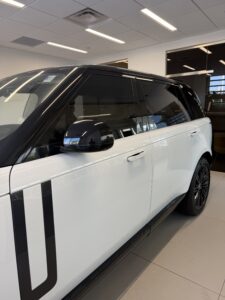
Although heat reduction tends to get more attention during July and August, drivers choose automotive window film for several reasons, including privacy, appearance, glare reduction, UV rejection, and protection for vehicle interiors.
And UV exposure doesn’t disappear simply because it’s cold outside.
Depending on the film you choose, you can get the performance and appearance you’re looking for regardless of whether the installation happens in January or July.
What About Night Driving During the Winter?
This is something Massachusetts drivers should consider when selecting tint darkness.
Our winter days are short, which means plenty of people commute to or from work after sunset.
Darker tint reduces the amount of visible light passing through your windows, and that can become more noticeable when driving at night — particularly on dark roads or during rain and snow.
If you regularly drive after sunset, check out our guide to window tint and night driving before deciding how dark you want your windows.
A professional installer can also help you compare options based on your vehicle, preferences, and typical driving conditions.
Should You Wait Until Spring to Tint Your Windows?
Not necessarily.
If the proper installation environment is available, there’s no reason every Massachusetts driver has to wait for warm weather before getting their windows tinted.
You simply need to account for winter conditions.
The installation location may need to be more controlled, and you’ll likely need to be patient while the film cures in colder temperatures.
In other words: Massachusetts winter doesn’t have to cancel your tint plans.
Schedule Mobile Window Tinting in Massachusetts This Winter
You don’t have to wait until summer — or spend your afternoon sitting at a tint shop — to upgrade your vehicle.
Massachusetts Mobile Detail offers professional mobile window tinting for Massachusetts drivers, with installation options based on your location, available space, and current conditions.
If you’re considering winter window tinting, we’ll help determine whether your location is suitable for the installation and walk you through the proper aftercare once the job is complete.
Ready to tint your windows this winter? Contact Massachusetts Mobile Detail to learn more about mobile window tinting and schedule your appointment.