
If you’ve been researching ways to protect your vehicle’s paint, you’ve probably come across two of the most popular protection options available today: Paint Protection Film (PPF) and ceramic coating.
While both are designed to help preserve your vehicle’s appearance and protect against damage, they work very differently and offer different types of protection.
Many Massachusetts drivers assume PPF and ceramic coating are the same thing, but they actually serve completely different purposes — and in many cases, they work best together.
So what’s the difference between PPF and ceramic coating, and which option is right for your vehicle?
Here’s everything Massachusetts drivers should know before choosing between the two.
What Is Paint Protection Film (PPF)?
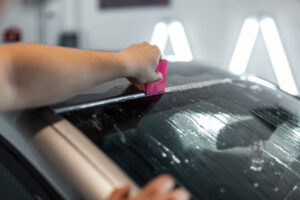
Paint Protection Film, commonly called PPF or “clear bra,” is a transparent urethane film installed directly over a vehicle’s painted surfaces.
PPF acts as a physical barrier that protects the paint from:
- rock chips
- road debris
- scratches
- bug splatter
- road salt
- minor abrasions
- environmental damage
Modern PPF is virtually invisible once installed and is commonly applied to:
- front bumpers
- hoods
- fenders
- mirrors
- rocker panels
- doors
- full vehicle exteriors
PPF is especially popular for protecting high-impact areas that are most vulnerable to damage from everyday driving.
What Is Ceramic Coating?
Ceramic coating is a liquid polymer applied to the exterior surfaces of a vehicle.
Once cured, the coating chemically bonds to the paint and creates a durable protective layer.
Unlike PPF, ceramic coating is not a thick physical barrier.
Instead, ceramic coating helps protect against:
- UV rays
- oxidation
- dirt and grime
- water spots
- chemical contaminants
- bird droppings
- bug residue
Ceramic coating is best known for:
- hydrophobic properties
- easier maintenance
- enhanced gloss
- long-lasting shine
- easier cleaning
It helps vehicles stay cleaner longer while improving overall appearance.
The Biggest Difference: Physical Protection
The main difference between PPF and ceramic coating comes down to impact resistance.
PPF Protects Against Physical Damage
PPF is designed to absorb minor impacts from:
- rock chips
- road debris
- small scratches
- highway wear
This makes it ideal for protecting vulnerable paint surfaces during daily driving.
For Massachusetts drivers who frequently travel highways or commute long distances, PPF provides strong protection against the physical wear vehicles experience year-round.
Ceramic Coating Does NOT Stop Rock Chips
One of the biggest misconceptions about ceramic coating is that it prevents rock chips and major scratches.
It does not.
Ceramic coating may help reduce:
- very light swirl marks
- surface contamination
- minor washing marring
but it will not stop:
- rock chips
- deep scratches
- dents
- debris impacts
PPF is the better option when physical paint protection is the priority.
Ceramic Coating Excels at Surface Protection
While PPF handles impact protection better, ceramic coating performs exceptionally well at protecting against environmental contamination.
Ceramic coating helps:
- repel water
- reduce dirt buildup
- minimize water spotting
- block UV exposure
- reduce oxidation
- simplify maintenance
Because ceramic coating is highly hydrophobic, contaminants have a harder time sticking to the surface.
This helps vehicles stay cleaner longer while making washing much easier.
Massachusetts Weather Is Tough on Vehicle Paint
Massachusetts vehicles experience:
- road salt
- snow
- rain
- pollen
- coastal air
- highway debris
- strong UV exposure
throughout the year.
Both PPF and ceramic coating help protect against these conditions, but in different ways.
PPF Helps Protect Against:
- rock chips
- sand and debris
- salt abrasion
- highway damage
Ceramic Coating Helps Protect Against:
- UV rays
- oxidation
- dirt buildup
- water spots
- chemical contamination
For many Massachusetts drivers, combining both provides the best overall protection.
PPF Has Self-Healing Properties
Many modern PPF products include self-healing technology.
This allows light scratches and swirl marks to disappear when exposed to:
- heat
- sunlight
- warm water
This helps keep the film looking smooth and clear over time.
Ceramic coating does not self-heal in the same way.
Ceramic Coating Creates More Gloss
One of the biggest advantages of ceramic coating is appearance enhancement.
Ceramic coating creates:
- deeper gloss
- sharper reflections
- richer paint depth
- enhanced shine
Vehicles often maintain a freshly detailed appearance much longer after ceramic coating application.
While PPF can also look excellent, ceramic coating is usually preferred when maximizing gloss and slickness is a top priority.
Ceramic Coating Makes Washing Easier
Because ceramic coatings repel water and contaminants so effectively, maintenance becomes much easier.
Water beads and rolls off the surface instead of sitting on the paint.
This helps reduce:
- dirt buildup
- drying time
- water spotting
- heavy grime accumulation
For Massachusetts drivers dealing with pollen, rain, and road grime, easier maintenance becomes a major benefit year-round.
PPF Is Best for High-Impact Areas
Most drivers do not necessarily install PPF across the entire vehicle.
Instead, PPF is commonly applied to high-impact areas such as:
- front bumpers
- front hoods
- mirrors
- rocker panels
- fenders
These areas take the most abuse from highway driving and road debris.
This targeted protection helps preserve the most vulnerable paint surfaces.
Can You Combine PPF and Ceramic Coating?
Yes — and many vehicle owners do.
In fact, combining both services provides some of the best protection available.
A common setup includes:
- PPF on high-impact areas
- ceramic coating over the remaining paint
Some drivers even apply ceramic coating over the PPF itself.
This combination provides:
- impact resistance
- easier maintenance
- enhanced gloss
- UV protection
- hydrophobic performance
For many Massachusetts drivers, this is the ideal long-term protection setup.
Which Option Is Better?
The right choice depends on your priorities.
PPF Is Better For:
- rock chip protection
- highway driving
- physical paint protection
- preserving vulnerable areas
Ceramic Coating Is Better For:
- gloss enhancement
- easier cleaning
- UV protection
- hydrophobic protection
- easier maintenance
If maximum protection is the goal, many drivers choose both together.
Is PPF or Ceramic Coating Worth It?
For many Massachusetts drivers, absolutely.
Protecting your vehicle’s paint helps preserve:
- appearance
- resale value
- long-term condition
- ease of maintenance
Both PPF and ceramic coating provide long-term benefits that traditional waxes simply cannot match.
This is especially valuable for:
- new vehicles
- luxury vehicles
- trucks and SUVs
- commuters
- vehicles parked outdoors
- daily drivers
Final Thoughts
PPF and ceramic coating are both excellent paint protection solutions, but they serve different purposes.
Paint Protection Film helps defend against rock chips, scratches, and physical damage, while ceramic coating protects against environmental contamination and makes vehicles easier to maintain.
For Massachusetts drivers dealing with harsh weather, road debris, UV exposure, and year-round driving conditions, both services can play an important role in preserving your vehicle’s appearance and long-term value.